Recharge portals are essential for digital payment businesses, but like any technology platform, they face several challenges. These issues can affect transaction success rates, user experience, and overall profitability.
Understanding common problems in recharge portals helps businesses identify risks early and implement effective solutions.
What is a Recharge Portal?
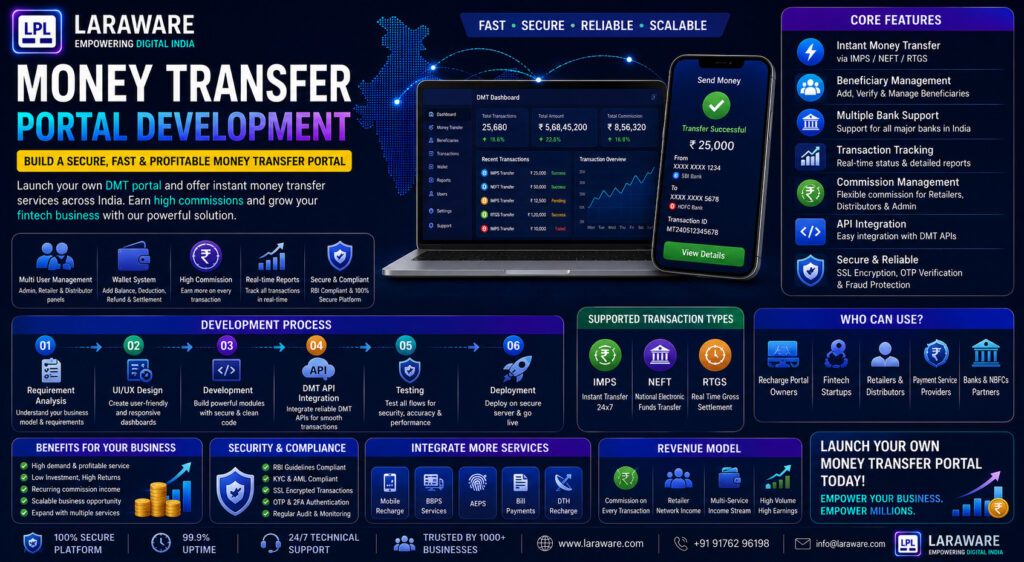
A recharge portal is a platform that allows users to perform:
- Mobile recharge
- DTH recharge
- Bill payments
- Digital financial services
Common Problems in Recharge Portals
API Downtime and Failures
One of the most frequent issues is API downtime.
Problems:
- Failed transactions
- Delayed processing
- Poor user experience
Solution:
- Use reliable API providers
- Implement backup APIs
/how-to-choose-best-bbps-api-provider
Transaction Failures
Transactions may fail due to:
- Network issues
- Operator problems
- Invalid input
Solution:
- Add retry mechanism
- Implement proper validation
Low Success Rate
Low success rate affects customer trust.
Solution:
- Choose high-quality APIs
- Monitor performance regularly
Wallet Balance Errors
Issues include:
- Incorrect balance updates
- Delayed wallet deductions
Solution:
- Use real-time wallet system
- Maintain transaction logs
/how-wallet-systems-work-in-recharge-portals
Security Risks
Recharge portals are vulnerable to:
- Data breaches
- Fraudulent transactions
- Unauthorized access
Solution:
- Use SSL encryption
- Enable OTP verification
- Implement fraud detection
https://www.npci.org.in/
https://uidai.gov.in/
Poor User Interface
A complicated UI can:
- Confuse users
- Reduce transactions
Solution:
- Use simple and responsive design
- Optimize user experience
Slow Processing Speed
Slow systems lead to:
- User frustration
- Drop in transactions
Solution:
- Optimize backend
- Use high-performance servers
Lack of Customer Support
Poor support results in:
- Customer dissatisfaction
- Loss of trust
Solution:
- Provide 24/7 support
- Quick issue resolution
Commission Issues
Problems include:
- Incorrect commission calculation
- Delayed payouts
Solution:
- Use automated commission system
- Regularly audit transactions
Scalability Issues
As business grows:
- System may crash
- Performance may drop
Solution:
- Use scalable infrastructure
- Cloud-based hosting
/how-to-build-a-recharge-portal
Additional Challenges
High Competition
- Many players in market
Low Profit Margins
- Small earnings per transaction
Regulatory Compliance
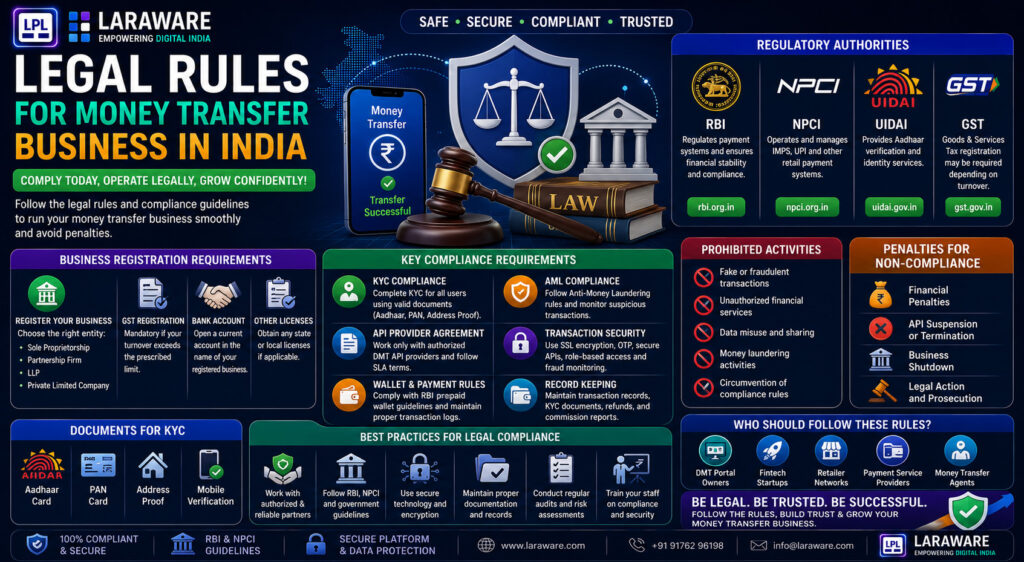
- Must follow RBI and NPCI rules
How to Prevent These Problems
- Choose reliable API providers
- Use secure and scalable software
- Monitor system performance
- Maintain regular updates
- Provide strong customer support
Best Practices
- Implement real-time monitoring
- Maintain backup systems
- Use secure payment gateways
- Optimize UI/UX
- Keep system updated
Who Should Be Aware of These Problems?
- Recharge portal owners
- Fintech startups
- Software developers
- Retailers and distributors
Impact of These Problems
If not handled properly, these issues can lead to:
- Loss of customers
- Reduced revenue
- Poor business growth
Future Solutions
Future recharge systems will use:
- AI for error detection
- Automated monitoring tools
- Advanced security systems
Conclusion
Recharge portals face multiple technical and operational challenges, but most of them can be resolved with the right strategies and tools. By focusing on reliability, security, and user experience, businesses can minimize issues and ensure smooth operations.
A well-managed recharge portal leads to higher customer satisfaction and long-term profitability.