The wallet system is one of the most critical components of any recharge portal. It acts as the financial backbone that manages transactions, balances, commissions, and settlements.
Without a properly designed wallet system, a recharge platform cannot function efficiently. This guide explains how wallet systems work in recharge portals and why they are essential.
What is a Wallet System in Recharge Portal?
A wallet system is a digital balance management system that allows users to:
- Add money
- Perform transactions
- Track spending
- Receive commissions
It is widely used in B2B recharge portals where retailers and distributors operate using prepaid balances.
Types of Wallets in Recharge Portals
User Wallet
- Used by customers or retailers
- Stores balance for transactions
Distributor Wallet
- Used by distributors
- Manages retailer balances
Admin Wallet
- Central wallet controlled by admin
- Handles overall fund flow
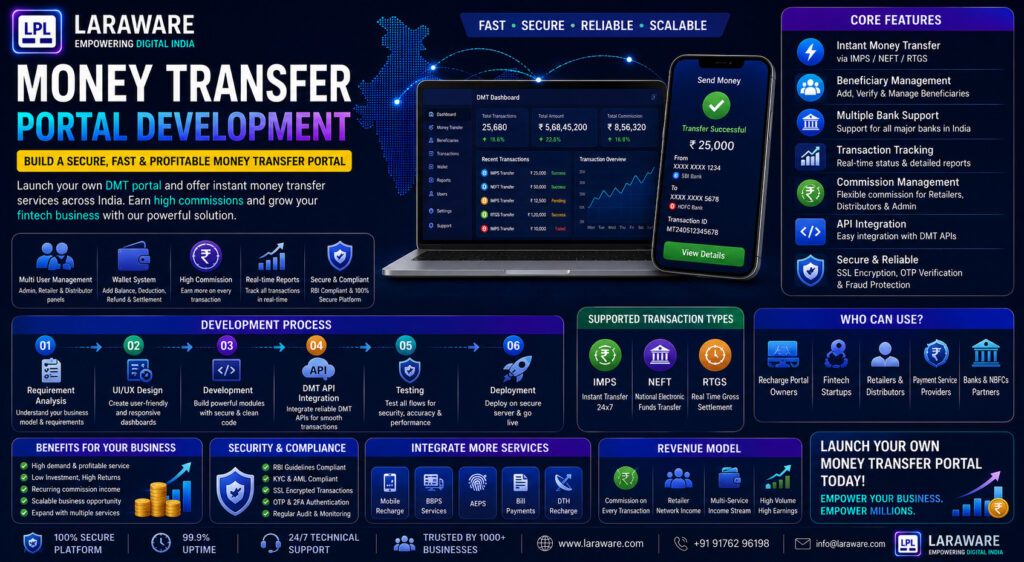
How Wallet System Works (Step-by-Step)
1: Wallet Recharge (Add Money)
- User adds money to wallet
- Payment via bank transfer or gateway
2: Balance Update
- Wallet balance updated in real-time
- Ready for transactions
3: Recharge Request
- User initiates recharge
- Amount deducted from wallet
4: API Processing
- Request sent to API provider
- Operator processes recharge
5: Transaction Status
- Success or failure response received
- Wallet adjusted accordingly
6: Commission Credit
- Commission added to wallet
- Based on service and user level
Wallet Flow Example
- Retailer adds ₹1000
- Performs recharge of ₹100
- Wallet reduces to ₹900
- Commission of ₹3 credited
- Final balance = ₹903
Key Features of Wallet System
Real-Time Balance Update
- Instant reflection of transactions
Transaction History
- Track all wallet activities
Commission Management
- Automatic earnings calculation
Multi-Level Wallet Support
- Admin → Distributor → Retailer
Secure Transactions
- Encrypted wallet operations
https://www.npci.org.in/
https://uidai.gov.in/
Wallet System Architecture
A typical wallet system includes:
- Database for balance storage
- Transaction engine
- API integration layer
- Security module
/how-to-build-a-recharge-portal
Types of Wallet Transactions
Debit Transaction
- Recharge or bill payment
Credit Transaction
- Commission or refund
Reversal Transaction
- Failed recharge refund
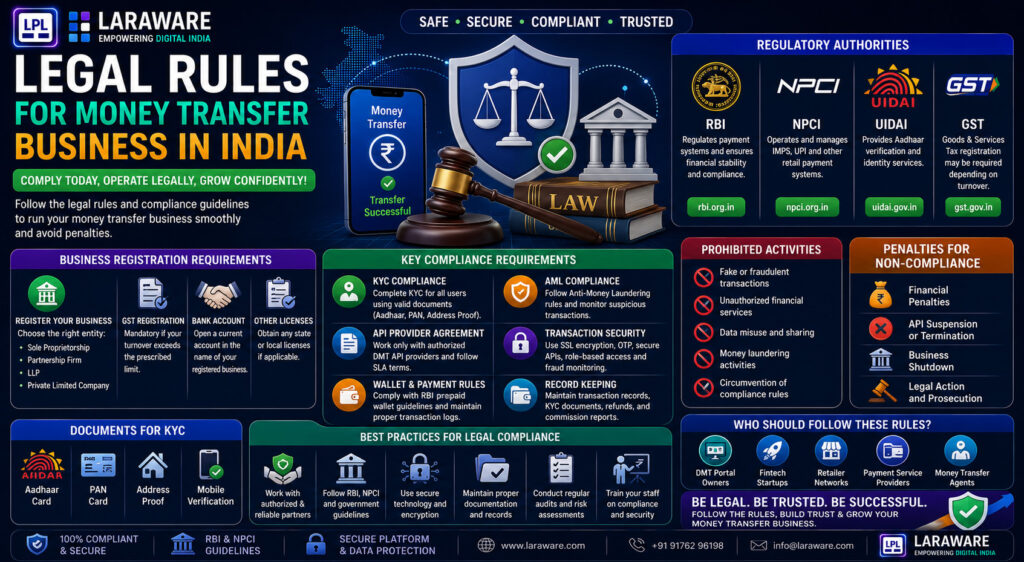
Security in Wallet System
Wallet systems must ensure:
- Secure login
- OTP verification
- Encrypted transactions
- Fraud detection
Common Wallet Issues
- Incorrect balance updates
- Failed transaction handling
- API delay
- Duplicate transactions
Best Practices for Wallet System
- Maintain transaction logs
- Use real-time updates
- Implement retry mechanism
- Regular audits
- Use secure APIs
Benefits of Wallet System
- Fast transactions
- Easy balance management
- Scalable business model
- Transparent accounting
Who Uses Wallet Systems?
- Recharge portal owners
- Retailers and distributors
- Fintech companies
Future of Wallet Systems
Wallet systems will evolve with:
- UPI integration
- AI fraud detection
- Real-time settlements
- Advanced analytics
Conclusion
Wallet systems are the backbone of recharge portals, enabling smooth financial operations and efficient transaction management. A well-designed wallet system ensures accuracy, security, and scalability.
By implementing a robust wallet system, businesses can build a reliable and profitable recharge platform.