Security is one of the most critical aspects of any recharge software. Since these platforms handle financial transactions, user data, and wallet balances, even a small vulnerability can lead to major losses.
A secure recharge system not only protects your business but also builds trust among users and partners.
This guide explains the most important security features every recharge software must have.
What is Recharge Software Security?
Recharge software security refers to the technologies and practices used to protect:
- User data
- Financial transactions
- System integrity
It ensures safe, reliable, and fraud-free operations.
Why Security is Important
- Prevents fraud and data breaches
- Protects customer information
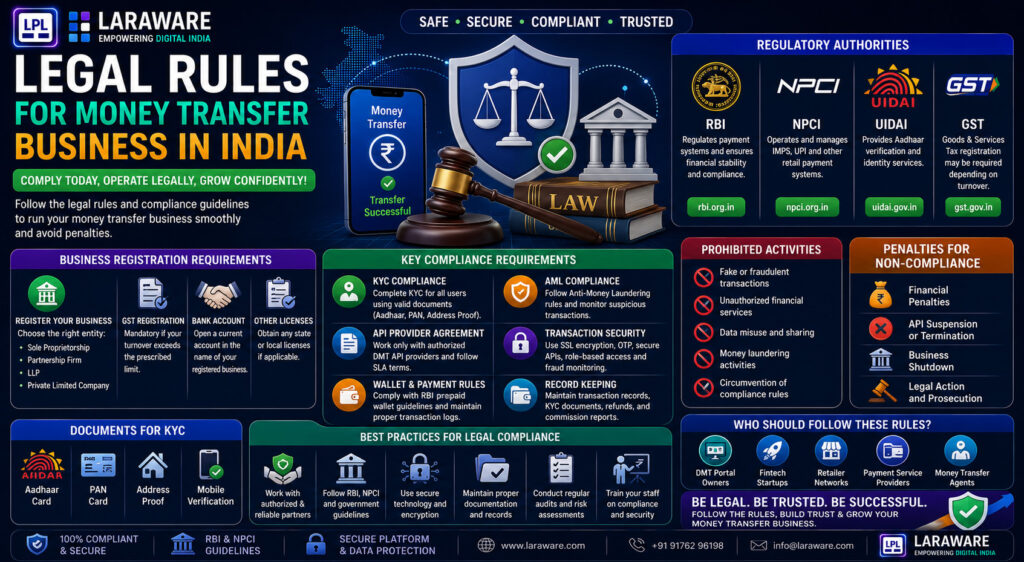
- Ensures regulatory compliance
- Builds trust and credibility
Without proper security, a recharge business cannot survive long-term.
Core Security Features in Recharge Software
SSL Encryption (HTTPS)
- Encrypts data between user and server
- Prevents data interception
Secure Authentication System
Includes:
- Username & password protection
- OTP verification
- Multi-factor authentication (MFA)
Role-Based Access Control (RBAC)
- Different access for admin, distributor, retailer
- Prevents unauthorized actions
API Security
Recharge platforms depend on APIs.
Security includes:
- API key authentication
- Token-based access
- Rate limiting
Wallet Security
- Secure wallet transactions
- Real-time balance updates
- Fraud prevention
/how-wallet-systems-work-in-recharge-portals
Data Encryption
- Encrypt sensitive user data
- Secure storage in database
Transaction Monitoring System
- Detect suspicious activities
- Track unusual transaction patterns
Fraud Detection System
- Identify fake transactions
- Prevent unauthorized usage
Secure Payment Gateway Integration
- Use trusted payment gateways
- Ensure compliance with standards
https://www.npci.org.in/
https://rbi.org.in/
Audit Logs and Tracking
- Maintain logs of all activities
- Helps in troubleshooting and security checks
Advanced Security Features
AI-Based Fraud Detection
- Detect anomalies in real-time
- Prevent fraud automatically
IP and Device Tracking
- Track login location
- Identify suspicious devices
Firewall and Server Security
- Protect against cyber attacks
- Prevent unauthorized access
Backup and Recovery System
- Regular data backup
- Disaster recovery plans
Session Management
- Auto logout
- Session timeout
- Prevent session hijacking
Common Security Threats
- Phishing attacks
- Data breaches
- API misuse
- Unauthorized access
Best Practices for Security
- Use strong passwords
- Update software regularly
- Monitor transactions
- Choose reliable API providers
/how-to-choose-best-bbps-api-provider
Compliance and Regulations
Recharge software must follow:
- RBI guidelines
- NPCI standards
- Data protection laws
Benefits of Strong Security
- Customer trust
- Reduced fraud risk
- Stable operations
- Better business growth
Who Needs These Security Features?
- Recharge portal owners
- Fintech startups
- Software developers
- Payment service providers
Future of Security in Recharge Software
Security will evolve with:
- AI-based monitoring
- Blockchain security
- Advanced encryption methods
- Real-time fraud detection
Conclusion
Security features are the backbone of any recharge software. From basic encryption to advanced fraud detection systems, every layer of security plays a vital role in protecting your platform.
By implementing strong security measures, businesses can ensure safe transactions, build trust, and achieve long-term success.