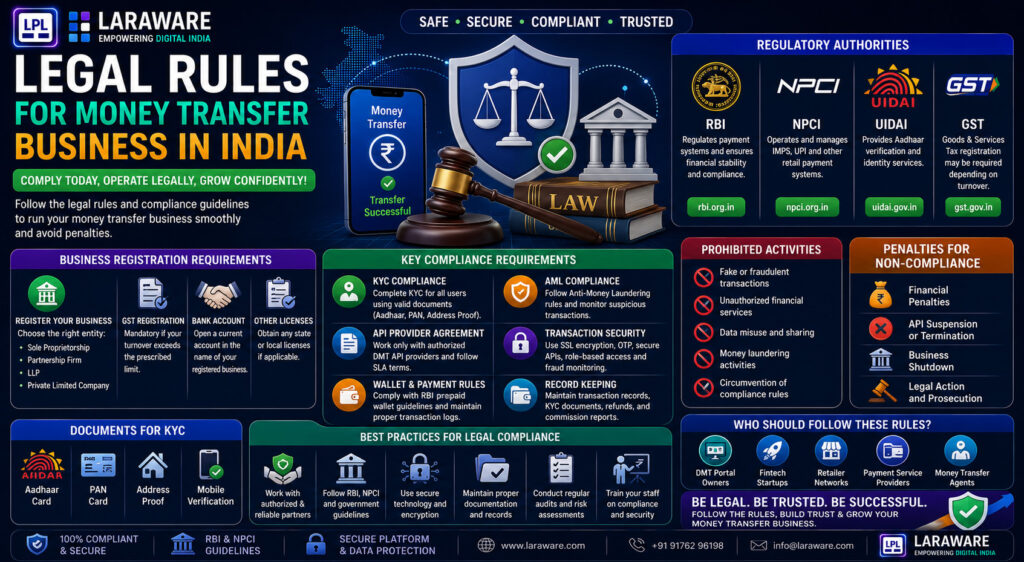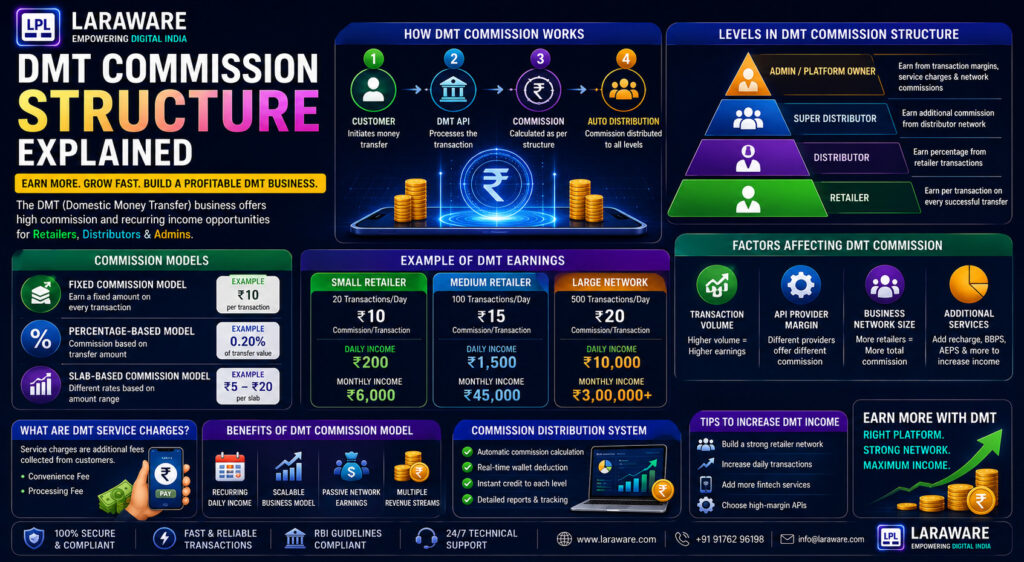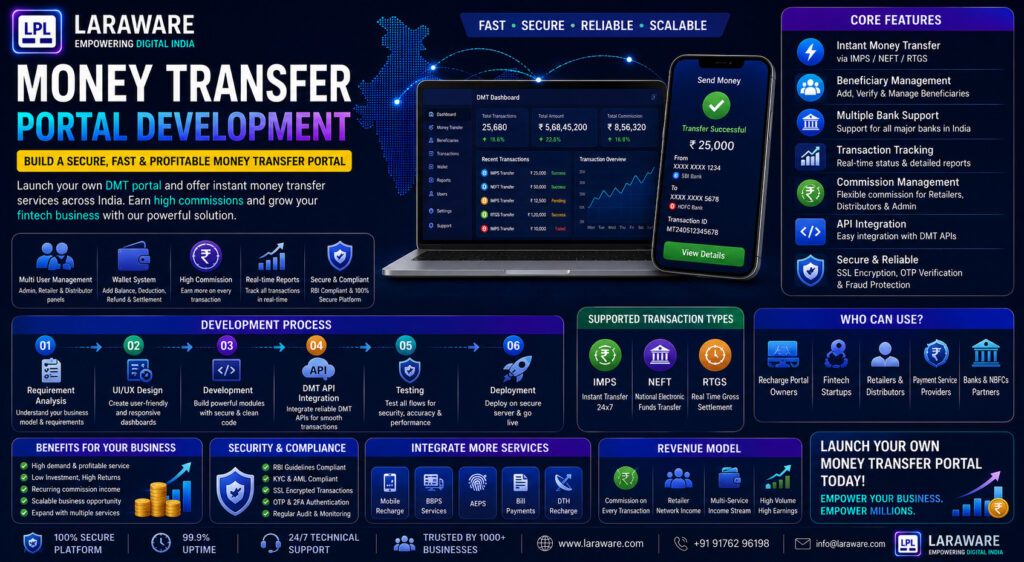
Starting a recharge portal in India is a profitable opportunity, but it also comes with important legal and regulatory responsibilities. Since recharge platforms deal with financial transactions, they must comply with guidelines set by government and financial authorities.
Understanding legal rules ensures that your business operates smoothly, avoids penalties, and builds customer trust.
Is Recharge Portal Legal in India?
Yes, running a recharge portal is legal in India, provided you comply with applicable laws and regulations.
You must follow:
- Financial regulations
- Data protection rules
- KYC requirements
- API provider agreements
Business Registration Requirements
Register Your Business Entity
You must register your business as:
- Sole Proprietorship
- Partnership Firm
- Private Limited Company
- LLP
Having a registered entity builds trust and ensures compliance.
GST Registration
- Required if turnover exceeds threshold
- Needed for billing and invoicing
KYC and Customer Verification
Recharge portals must follow KYC norms, especially if offering wallet or fintech services.
Requirements include:
- Aadhaar verification
- PAN verification
- Address proof
KYC helps prevent fraud and ensures compliance.
https://uidai.gov.in/
https://www.incometax.gov.in/
RBI Guidelines
The Reserve Bank of India regulates digital payment systems.
You must ensure:
- Secure transaction processing
- Compliance with payment norms
- No unauthorized financial services
NPCI Compliance
If your portal includes bill payment or UPI services, you must comply with NPCI guidelines.
NPCI regulates:
- BBPS system
- UPI payments
- Transaction standards
API Provider Agreement
You must sign a legal agreement with your API provider.
Important points include:
- Commission structure
- Service terms
- Liability clauses
- Data handling rules
/how-to-choose-best-bbps-api-provider
Data Protection and Privacy Laws
Recharge portals must protect user data.
Follow:
- Data encryption
- Secure storage
- Privacy policies
India is moving towards stricter data protection laws, so compliance is important.
Payment Gateway Compliance
If using payment gateways:
- Follow RBI payment guidelines
- Use authorized gateways
- Ensure secure transactions
Wallet System Regulations
If your portal includes wallet features:
- Follow prepaid instrument (PPI) rules
- Avoid unauthorized wallet operations
/how-wallet-systems-work-in-recharge-portals
Terms and Conditions Policy
Your website must include:
- Terms of service
- Refund policy
- Privacy policy
- Disclaimer
These protect your business legally.
Cybersecurity Requirements
Recharge portals must ensure:
- SSL encryption
- Secure login systems
- Fraud detection
Failure to secure data can lead to legal penalties.
Tax Compliance
You must:
- File GST returns
- Maintain transaction records
- Pay applicable taxes
Prohibited Activities
Avoid:
- Fake recharge services
- Unauthorized wallet operations
- Misleading offers
- Data misuse
Penalties for Non-Compliance
Non-compliance can result in:
- Financial penalties
- Business shutdown
- Legal action
Best Practices for Legal Compliance
- Work with legal advisors
- Use trusted API providers
- Maintain transparency
- Keep updated with regulations
Who Needs to Follow These Rules?
- Recharge portal owners
- Fintech startups
- Software companies
- Digital service providers
Conclusion
Starting a recharge portal in India is legal and profitable, but only when proper legal rules and compliance are followed. From business registration to KYC, RBI guidelines, and data security, every aspect must be handled carefully.
By ensuring compliance, you not only avoid legal issues but also build a trustworthy and scalable business.