📋 Table of Contents
- 1. Understand Financial Regulations
- 2. Choose the Right Fintech Business Model
- 3. Build Strong Security Infrastructure
- 5. Plan Your Technology Infrastructure
- 6. Build Strategic Partnerships
- 7. Develop a Clear Monetization Strategy
- 8. Build Customer Trust
- 9. Prepare for Competition
- The Future of Fintech Startups
- Conclusion
The financial technology industry has become one of the fastest-growing sectors in the global economy. From digital payments to online lending and digital banking, fintech startups are transforming how people manage money. However, launching a fintech company requires more than just a great idea. Understanding the things you must know before starting a fintech startup can help entrepreneurs build secure, scalable, and successful financial platforms.
Fintech businesses operate in a highly regulated and competitive environment, so founders must carefully plan their technology, compliance strategy, and revenue model.
1. Understand Financial Regulations
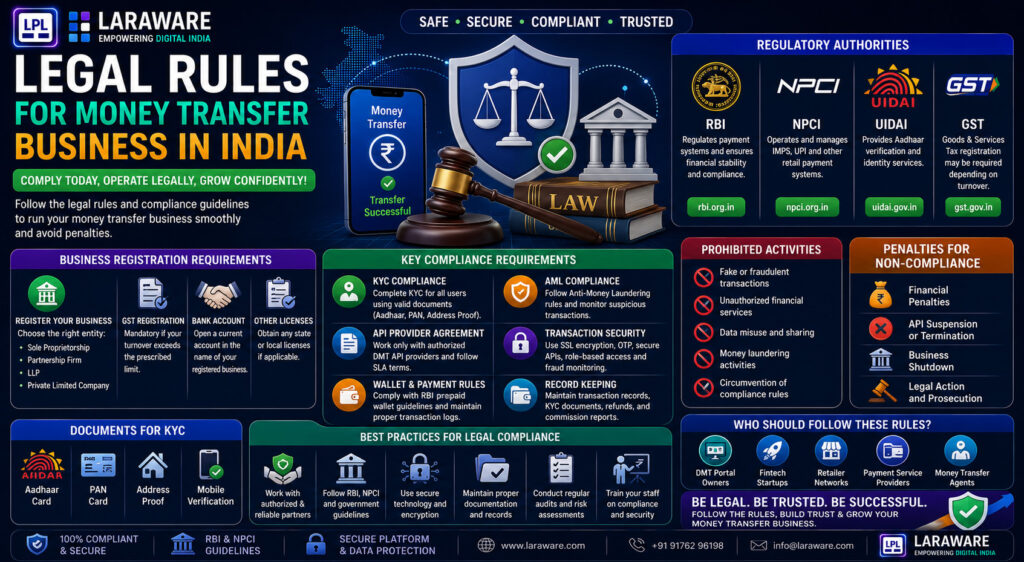
One of the most important things you must know before starting a fintech startup is the regulatory environment. Financial services are tightly regulated to protect users and maintain financial stability.
Depending on your business model, you may need approvals from regulatory authorities such as the Reserve Bank of India (RBI).
Common fintech licenses include:
Payment Aggregator License
Prepaid Payment Instrument (PPI) License
NBFC License for lending platforms
You can learn more about financial regulations from the official RBI website:
https://www.rbi.org.in
2. Choose the Right Fintech Business Model
Before launching your startup, you must clearly define how your fintech company will generate revenue.
Popular fintech business models include:
Digital payment platforms
Payment gateway services
Digital lending platforms
Neobanks and digital banking apps
Wealth management platforms
Insurtech solutions
Many startups partner with fintech technology providers like Laraware to build scalable fintech platforms.
3. Build Strong Security Infrastructure
Security is critical in the fintech industry because platforms handle sensitive financial data.
Your fintech platform must include:
data encryption
secure payment gateways
fraud detection systems
multi-factor authentication
Building strong cybersecurity systems helps protect users and maintain trust.
4. Focus on User Experience
Another important factor is user experience. Financial services must be easy to use and accessible for a wide range of users.
Successful fintech platforms focus on:
simple onboarding processes
intuitive interfaces
fast transactions
responsive customer support
A smooth user experience increases adoption and customer retention.
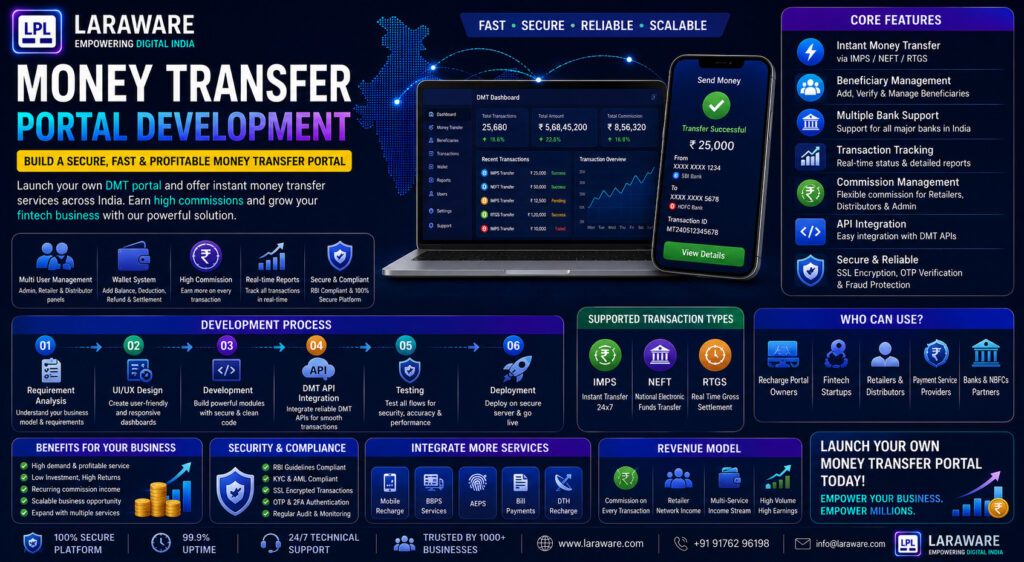
5. Plan Your Technology Infrastructure
Fintech startups rely heavily on technology infrastructure. Your platform must be scalable, secure, and capable of handling high transaction volumes.
Key technology components include:
payment processing systems
API integrations with banks
cloud infrastructure
data analytics tools
Startups often collaborate with fintech development companies like Laraware to develop robust fintech platforms.
6. Build Strategic Partnerships
Partnerships with banks, payment processors, and financial institutions are essential for many fintech startups.
These partnerships can help you:
access banking infrastructure
launch financial services faster
comply with regulatory requirements
For example, payment systems in India rely on infrastructure provided by organizations such as the National Payments Corporation of India (NPCI).
More information about payment infrastructure is available here:
https://www.npci.org.in
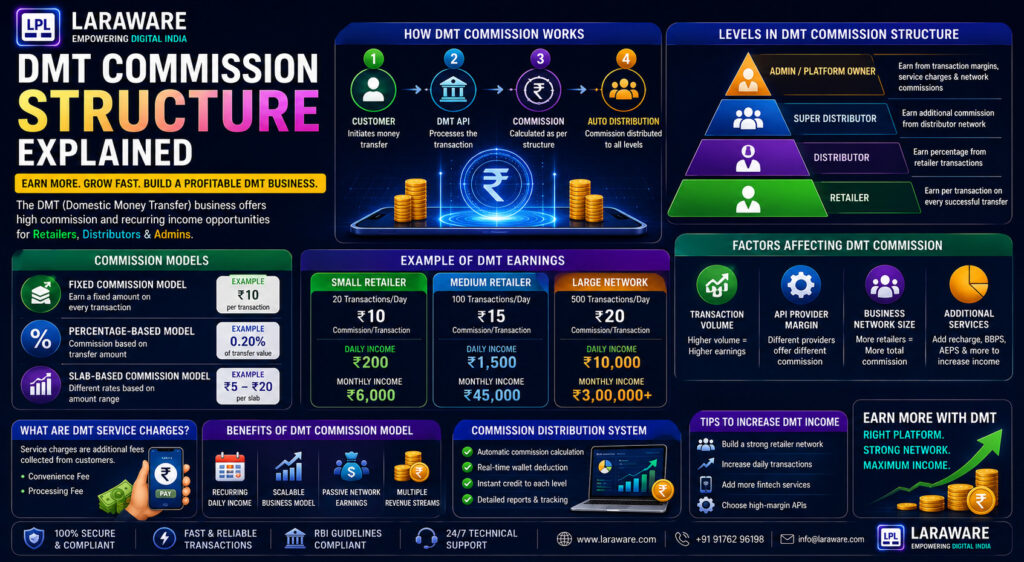
7. Develop a Clear Monetization Strategy
Fintech startups must establish sustainable revenue models.
Common revenue streams include:
transaction fees
subscription services
interest on loans
financial product commissions
API usage fees
A clear monetization strategy ensures long-term financial sustainability.
8. Build Customer Trust
Trust is one of the most important elements of financial services.
Users must feel confident that your platform is secure and reliable.
Fintech startups should focus on:
transparent pricing
secure transactions
reliable customer support
regulatory compliance
Strong brand credibility helps attract and retain customers.
9. Prepare for Competition
The fintech industry is highly competitive, with new startups entering the market every year.
Entrepreneurs should focus on:
unique value propositions
innovative financial services
advanced technology solutions
Differentiation is key to standing out in the fintech ecosystem.
The Future of Fintech Startups
The fintech industry will continue evolving with technologies such as:
artificial intelligence in finance
blockchain-based payments
embedded finance platforms
decentralized finance (DeFi)
Entrepreneurs who understand the things you must know before starting a fintech startup will be better prepared to build innovative financial solutions.
Conclusion
Starting a fintech startup can be highly rewarding, but it requires careful planning and execution. Entrepreneurs must understand regulations, build secure technology, focus on user experience, and develop sustainable business models.
By learning the things you must know before starting a fintech startup, founders can avoid common pitfalls and create fintech platforms that deliver value to users and businesses alike.