📋 Table of Contents
India’s fintech sector has grown rapidly over the last decade, driven by digital payments, smartphone adoption, and supportive government initiatives. As the ecosystem expands, many investors wonder whether fintech investment is safe in India.
While fintech offers strong growth potential, it is important to understand both the opportunities and risks involved before investing.
Growth of the Fintech Industry in India
India has become one of the world’s largest fintech markets. The adoption of digital payments and online financial services continues to accelerate.
Key factors driving fintech growth include:
Rapid adoption of UPI-based digital payments
Increased smartphone and internet penetration
Government initiatives supporting financial inclusion
Growing demand for online financial services
Organizations like the National Payments Corporation of India have played a major role in building secure digital payment infrastructure that supports fintech innovation.
Regulatory Environment in India
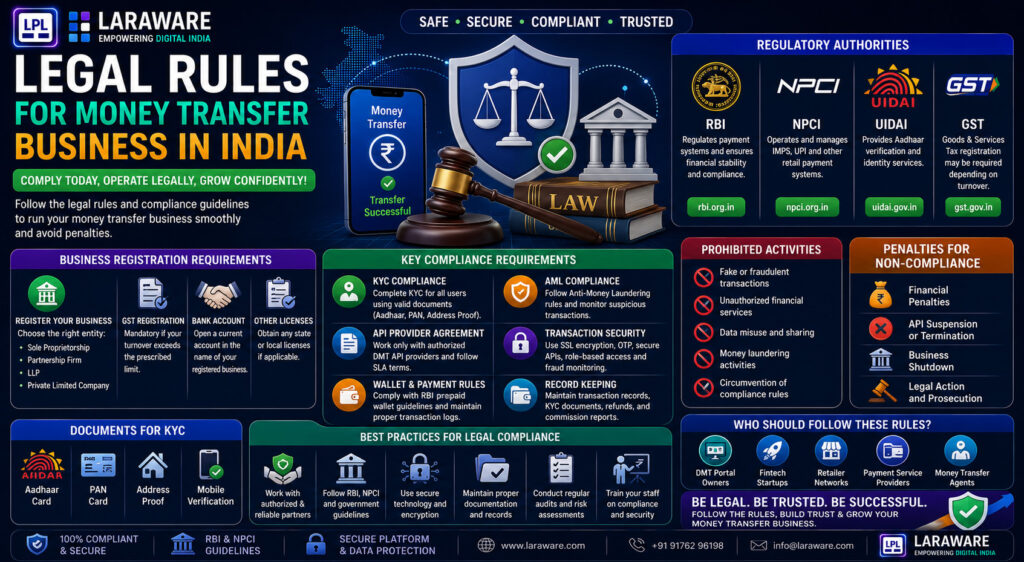
One major reason fintech investment is becoming safer is the presence of strong regulatory oversight.
Financial services and digital payment systems in India are regulated by the Reserve Bank of India.
These regulations ensure:
Consumer protection
Secure financial transactions
Monitoring of fintech platforms
Compliance with financial laws
Government initiatives like Digital India also encourage secure digital financial services and innovation.
Advantages of Investing in Fintech
Fintech investments can offer several benefits for investors.
High Growth Potential
The fintech sector continues to grow rapidly, creating strong opportunities for early investors.
Expanding Digital Economy
India’s digital economy is expanding, increasing demand for financial technology solutions.
Innovation in Financial Services
Fintech companies are developing solutions in areas such as:
digital payments
lending platforms
wealth management apps
insurance technology
Many fintech platforms are built with the help of companies like Laraware, which develop fintech software infrastructure for startups and enterprises.
Risks of Fintech Investment
Despite its growth potential, fintech investment also comes with certain risks.
Regulatory Changes
Changes in financial regulations may affect fintech business models.
Market Competition
The fintech industry is highly competitive, with many startups entering the market.
Cybersecurity Risks
Financial platforms must protect sensitive financial data from cyber threats.
Startup Failure Risk
Like many startup sectors, some fintech companies may fail due to poor strategy or lack of funding.
Investors should evaluate fintech companies carefully before making investment decisions.
How to Evaluate Fintech Investments
Before investing in fintech companies, investors should analyze several factors.
Regulatory Compliance
Ensure the fintech company follows financial regulations.
Technology Infrastructure
Evaluate the platform’s security and scalability.
Revenue Model
Understand how the company generates income.
Market Demand
Assess whether the product solves a real financial problem.
Companies that build their platforms with experienced fintech developers such as Laraware often have stronger technology foundations.
Future of Fintech Investment in India
India’s fintech industry is expected to grow significantly in the coming years.
Emerging technologies shaping the sector include:
Artificial Intelligence in financial services
Blockchain-based payments
Embedded finance
Digital banking platforms
As the ecosystem matures and regulations improve, fintech investments are likely to become even more attractive.
Conclusion
So, is fintech investment safe in India? The answer depends on careful evaluation. While fintech investments carry risks, the sector’s strong growth potential, regulatory oversight, and technological innovation make it an exciting investment opportunity.
Investors who research fintech companies thoroughly and understand the regulatory environment can benefit from India’s rapidly growing fintech ecosystem.