Recharge software is not just a service platform—it is a powerful revenue-generating system. Many entrepreneurs and fintech startups use recharge software to build scalable and profitable businesses.
But how exactly does recharge software make money?
This guide explains all the revenue streams, earning models, and profit strategies used in recharge platforms.
What is Recharge Software?
Recharge software is a platform that allows users to perform:
- Mobile recharge
- DTH recharge
- Bill payments
- Digital financial services
It connects with service providers using APIs to process transactions.
Main Revenue Sources of Recharge Software
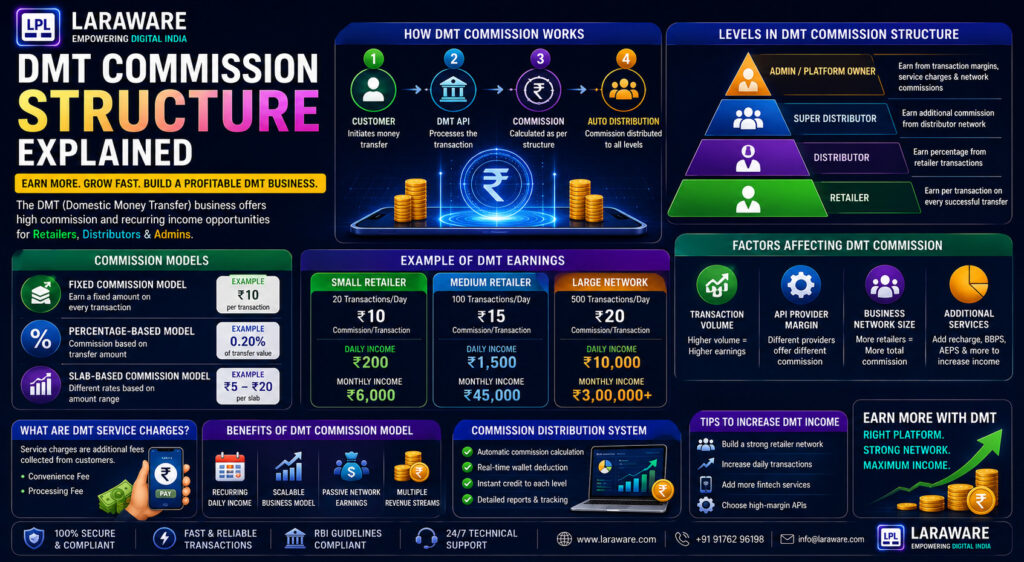
Commission on Transactions
This is the primary income source.
- Earn commission on every recharge
- Commission varies by operator and service
Example:
- ₹100 recharge → ₹3–₹5 commission
Service Charges
Some platforms charge users extra:
- Convenience fee
- Processing charges
This directly increases profit margin.
Distributor and Retailer Commission
In B2B models:
- Retailers perform transactions
- Distributors earn a share
- Admin earns from entire network
/how-to-build-a-recharge-portal
API Margin
Recharge API providers offer discounted rates.
- Buy at lower rate
- Sell at slightly higher rate
- Earn margin difference
/best-apis-for-recharge-portals
Wallet Float Income
Money stored in wallets generates:
- Interest benefits (indirect)
- Cash flow advantage
Subscription Fees
Some platforms charge:
- Monthly subscription
- Setup fees
- Renewal charges
Advertising Revenue
- Promote third-party services
- Show ads inside platform
Cross-Selling Fintech Services
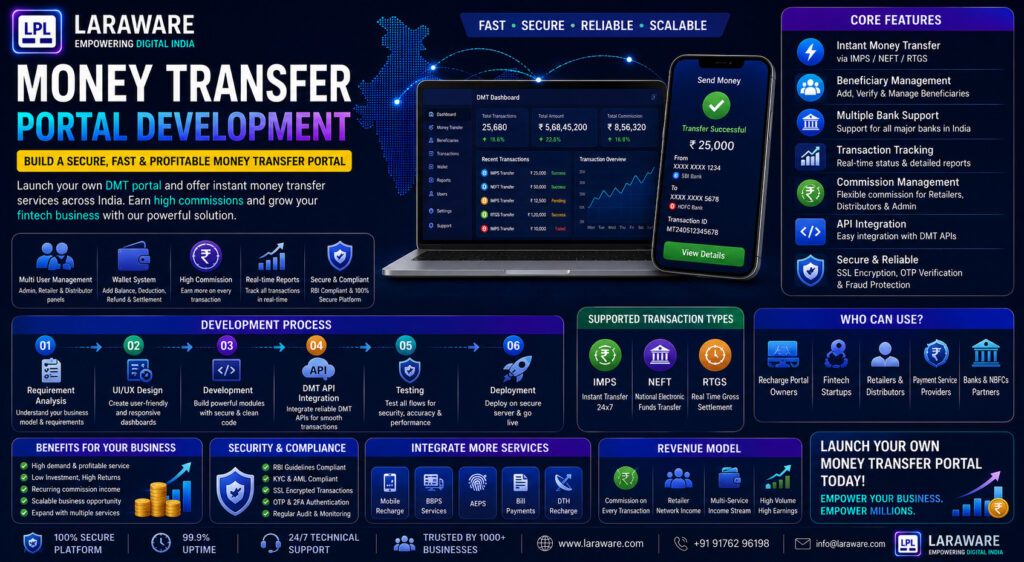
Recharge software expands into:
- AEPS services
- Money transfer
- Insurance
- Bill payments
/services-available-in-a-bbps-portal
Revenue Model Breakdown
B2C Model
- Direct customer recharge
- Earn per transaction
B2B Model
- Retailer + distributor network
- Multi-level earning system
Hybrid Model
- Combine B2C + B2B
- Maximum revenue potential
Example of Earnings
Small Business
- 100 transactions/day × ₹3
- Monthly = ₹9,000
Medium Business
- 300 transactions/day × ₹4
- Monthly = ₹36,000
Large Network
- 1000+ transactions/day
- Monthly = ₹1,00,000+
Factors Affecting Revenue
Transaction Volume
More transactions = more income
Commission Rates
Higher commission = higher profit
Services Offered
More services = multiple income streams
Customer Base
Larger base = stable earnings
API Provider Quality
Better API = higher success rate
/how-to-choose-best-bbps-api-provider
Hidden Revenue Opportunities
- Cashback partnerships
- Bulk recharge clients
- Business tie-ups
- Premium services
Cost vs Revenue Analysis
| Category | Cost | Revenue Impact |
|---|---|---|
| API Charges | Medium | Reduces margin |
| Hosting | Low | Minimal impact |
| Marketing | Optional | Increases growth |
| Maintenance | Low | Stable |
Overall, recharge software offers high scalability with controlled costs.
How to Increase Revenue
- Add more services
- Build distributor network
- Increase daily transactions
- Choose high-margin APIs
- Offer premium services
Challenges in Earning
- Low margins per transaction
- High competition
- API downtime
- Customer price sensitivity
Who Can Earn More?
- B2B platform owners
- Distributor networks
- Fintech startups
- High-volume retailers
Future Revenue Opportunities
Recharge software will earn more through:
- AI-based services
- Embedded finance
- Digital banking integration
- Subscription models
https://www.npci.org.in/
https://rbi.org.in/
Conclusion
Recharge software makes money through multiple revenue streams, including commissions, service charges, API margins, and network earnings. While individual transaction margins are small, the business becomes highly profitable with scale.
By expanding services, increasing transaction volume, and building a strong network, recharge software can generate consistent and growing income.