How to Build a BBPS Platform: Developer Guide
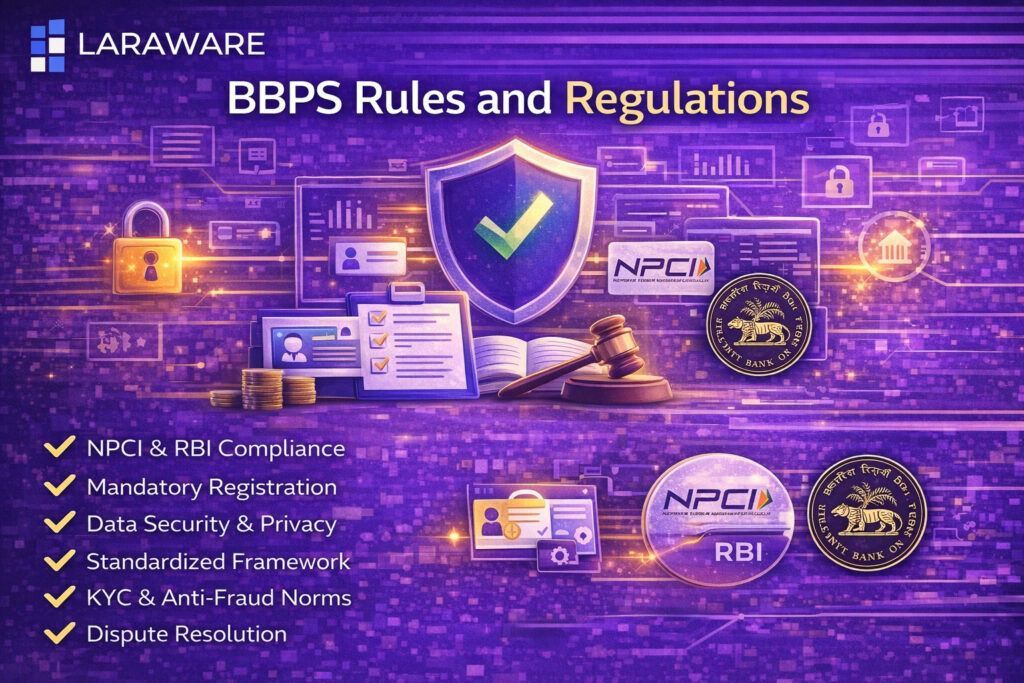
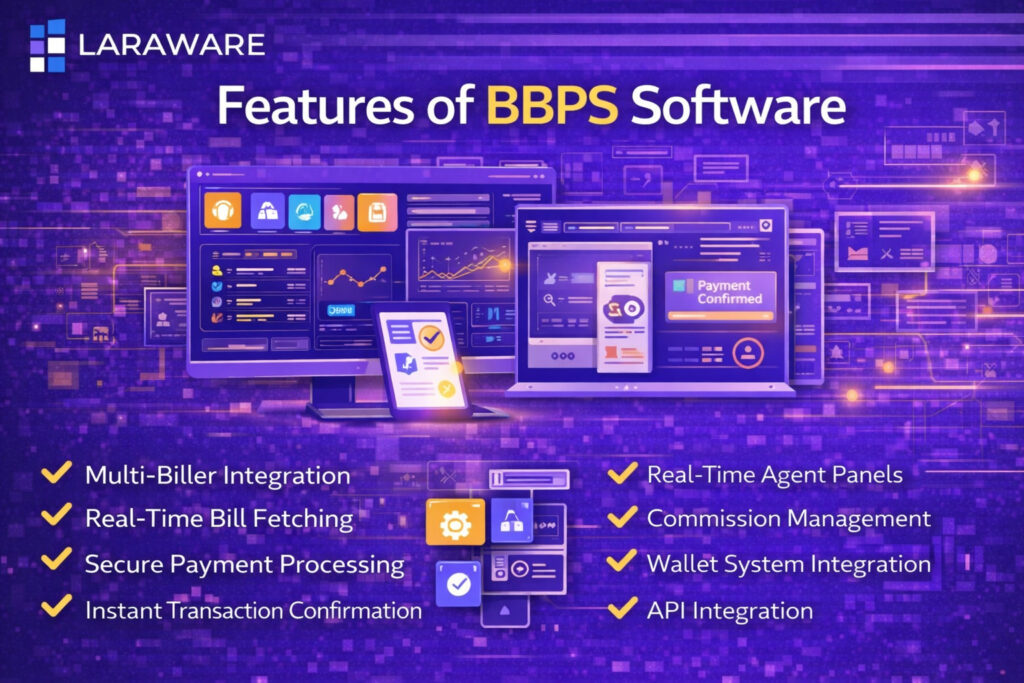
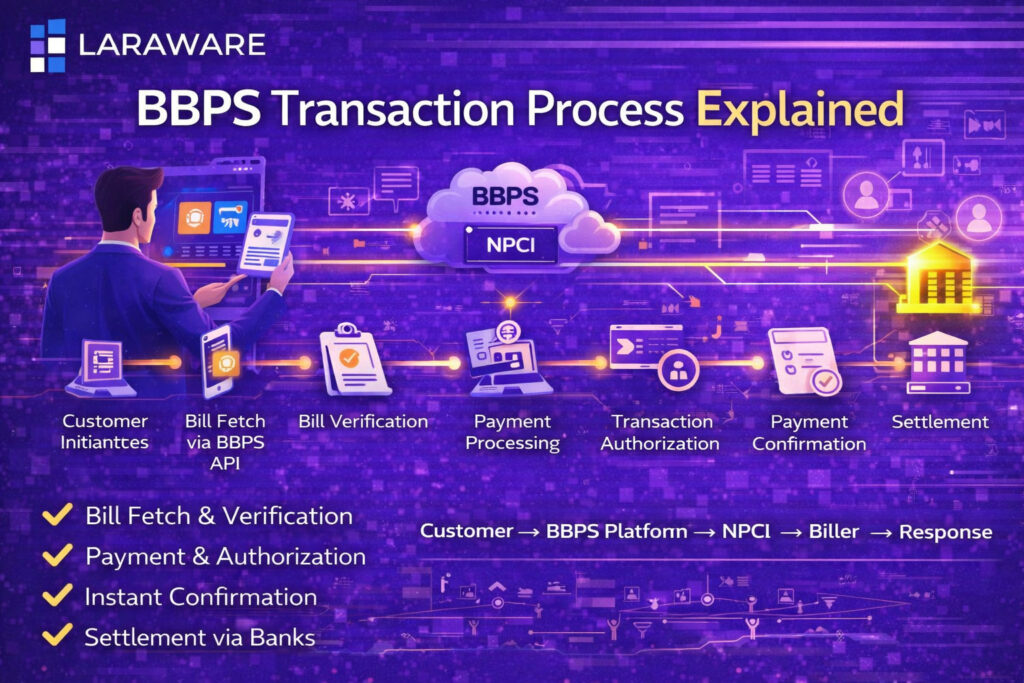
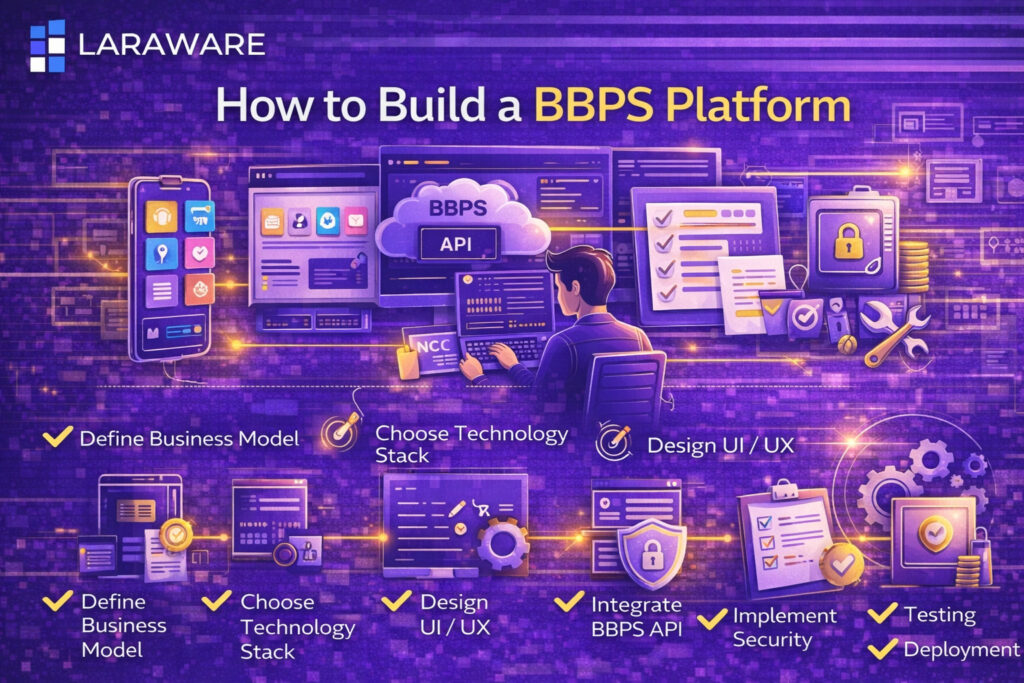
The Bharat Bill Payment System (BBPS) has become a core part of India’s digital payment ecosystem. Businesses can leverage BBPS to offer bill payment services and generate recurring revenue. Building a BBPS platform requires a combination of fintech knowledge, secure architecture, and proper API integration. This guide explains how to build a BBPS platform step by step. What is a BBPS Platform? A BBPS platform is a software system that allows: Bill payment services Multi-biller integration Transaction processing Retailer and distributor management It connects your application to the BBPS network through authorized providers. Core Components of BBPS Platform Frontend Interface User dashboard Retailer panel Mobile-friendly UI Backend System Transaction engine Wallet system User management Commission system BBPS API Integration Fetch bill details Process payments Generate responses /what-is-bbps-api Admin Panel Manage users Set commissions Monitor transactions Step-by-Step Process to Build BBPS Platform 1: Define Business Model Decide: Target users (retailers, distributors) Revenue model Commission structure 2: Choose Technology Stack Frontend: React, Angular Backend: Node.js, Laravel Database: MySQL, MongoDB Hosting: AWS, Cloud 3: Design UI/UX Simple interface Fast navigation Mobile responsive 4: Develop Backend Logic Wallet management Commission engine Transaction tracking Role-based access 5: Integrate BBPS API Process: Connect with provider Use API credentials Handle requests and responses 6: Implement Security Data encryption Secure APIs Authentication system /bbps-rules-and-regulations 7: Testing API testing Transaction validation Error handling 8: Deployment Cloud hosting SSL security Monitoring tools 9: Maintenance Regular updates Bug fixes Performance optimization Features Required in BBPS Platform Multi-biller support Real-time bill fetching Secure payment gateway Commission management Wallet system Transaction reports /features-of-bbps-software Cost of Building BBPS Platform Basic Platform ₹50,000 – ₹1,50,000 Standard Platform ₹1.5L – ₹3L Advanced Platform ₹3L – ₹6L+ Challenges in BBPS Platform Development API reliability Security risks Compliance requirements System scalability Benefits of Building BBPS Platform Recurring revenue Scalable business model High demand in market Easy integration with other services Who Should Build BBPS Platform? Fintech startups Payment service providers Entrepreneurs Software companies Conclusion Building a BBPS platform is a powerful opportunity in the fintech sector. With the right technology, secure architecture, and reliable API integration, businesses can create a scalable and profitable digital payment solution. By focusing on performance, security, and user experience, you can successfully launch and grow your BBPS platform in a competitive market.